Era Pickleball pickleball classes: Social Skill-Building and Drills
The sound of a ball tapping the paddle and the murmur of players debating strategy is familiar to anyone who has spent an evening at Era Pickleball. The studio lights glow just right, the courts gleam, and a sense of inclusive competition hums through the air. This isn’t about spectacle or a quick win; it’s about building a social framework around movement, precision, and shared progress. Era Pickleball pickleball classes are designed to do more than sharpen strokes. They’re crafted to cultivate social skill, cultivate a common language among players of varying backgrounds, and turn routine drills into meaningful habits that travel beyond the gym floor.
From the first handshake at the desk to the last rally at the end of class, there is a deliberate rhythm to how Era Pickleball approaches training. The aim is to make every participant feel seen, capable, and connected to a broader community of players who value craft as much as competition. The classes blend technique work with social coaching in ways that feel natural rather than forced. You’ll hear conversations about court positioning just as readily as you’ll hear encouragement about footwork and balance. It’s a place where learning and social interaction reinforce each other, creating an environment that is at once intense and welcoming.
A practical way to think about what Era Pickleball offers is to imagine two parallel tracks happening in tandem during every session. On one track, the focus is on the mechanics of the game: grip, stance, ready position, dinks, drives, serves, return patterns, and transition to the net. On the other track, the focus shifts to how players interact on the court and how those interactions build a sense of belonging. The drills are deliberately chosen to promote cooperation and shared problem solving, not just execution under pressure. The result is a skill set that sticks, fueled by a social fabric that recognizes progress as a collective achievement as much as a personal victory.
If you are curious about the specific structure and philosophy behind Era Pickleball pickleball classes, you’ll notice a few recurring design principles. First, the instruction is paced to accommodate mixed experience levels. Some participants arrive with formal competitive backgrounds; others walk in with little more than curiosity and a willingness to learn. The coaches tailor explanations and demonstrations to bridge gaps without singling anyone out. Second, the class emphasizes feedback that is actionable and timely. You’ll hear phrases that are precise without being punitive. The aim is to guide, not to shame, to correct, not to demoralize. Finally, there is a conscious effort to translate on-court lessons into real-world social skills, from speaking clearly about shot selection to listening with intent during a partner drill.
The social dimension of Era Pickleball pickleball classes often reveals itself in the way participants move through the space together. The court becomes a shared classroom where communication patterns evolve alongside technique. For most players, the early sessions feel like stepping into a new culture, one built around respectful disagreement, constructive praise, and a collective curiosity about how to get better. Over time, the benefit isn’t only improved backhand topspin or smarter dink patterns. It’s the emergence of a sense of belonging that makes players look forward to the next session. When you reinforce that social infrastructure with high quality drills and coaching, you create a durable habit that spills over into other parts of life.
What follows is a closer, on-the-ground account of what makes Era Pickleball pickleball classes resonate. It’s a blend of storytelling from seasoned coaches, observed patterns on the court, and practical guidance for players who want to get the most from their time on the court. The article is organized around lived experiences and concrete details rather than abstract promises. You’ll find moments of humor, moments of quiet intensity, and moments that highlight the human side of sport. If you’re considering signing up, you’ll come away with a clear sense of what to expect and why the approach matters.
The first hour of class usually starts with a warm welcome and a quick social check in. The coach will invite participants to share a short goal for the session. The aim is not to pressure anyone into big declarations but to anchor attention on a personal intent that can be revisited later in the drill sequence. Some players pick a single technical target, such pickleball near me as improving serve depth; others choose a social objective, like initiating more conversations with a new partner between points. This dual focus matters because it immediately signals that the class values both the physical and social dimensions of the sport. It also helps create a friendly accountability loop: you’re not just working on your own improvement, you’re contributing to the group’s momentum.
Drills in Era Pickleball pickleball classes are chosen to cultivate a nuanced sense of partner play. They’re not run-of-the-mill, single-focus repetitions. The best drills weave principles together so you’re negotiating court space, reading an opponent, and communicating with a partner all at once. A typical drill sequence might begin with a short warm-up that blends footwork patterns with light rallying. The goal is to prepare the body to move efficiently while keeping the mind open to feedback. Then coaches introduce a scenario-based drill that compels players to adapt. For instance, a drill might place emphasis on control in the kitchen while the partner at the net works on early decision making about when to intervene or retreat. It’s a subtle but powerful way to connect technique with tactics.
The social skill-building component of these classes is not an afterthought. It’s a core feature that shows up in both micro-interactions and the overall atmosphere. Coaches model good social listening, modeling how to acknowledge a partner’s feedback with a nod or a concise, constructive comment. They encourage players to rotate partners regularly so everyone experiences different playing styles and communication styles. The variety matters. It slows down cliques forming and fosters a broader sense of inclusion. When players rotate, the group learns to calibrate nonverbal cues and verbal cues across different personalities. The net effect is a more resilient social fabric that supports confidence in competition and camaraderie during casual play alike.
If you’re new to the sport, Era Pickleball pickleball classes are a welcoming entry point into a culture that can feel intimidating at first glance. The first week or two are often about getting comfortable with the rhythm of the court, the feel of the paddle, and the cadence of the rallies. The coaches aren’t there to rush knowledge; they’re there to scaffold learning so you can build competence without feeling overwhelmed. With time, even a quiet newcomer begins to contribute. They learn how to call shots with clarity, how to manage pace with a partner, and how to pivot from a defensive exchange to an offensive opportunity without losing composure. Small wins accumulate into a genuine sense of progress that is both measurable and meaningful.
To give you a sense of the tangible outcomes, here are a few patterns that frequently emerge in Era Pickleball pickleball classes. Players begin to anticipate the trajectories of the ball more reliably, which reduces the number of scrambling recoveries and preserves energy for sharper, more deliberate plays late in a game. They develop a repertoire of dink shapes and speeds that feel natural rather than forced, so they can vary their approach without overthinking each shot. The conversational skill set also takes shape: teammates learn to negotiate shot selection with a calm, collaborative tone, which reduces the emotional tension that often accompanies tight matches. And perhaps most importantly, participants come to see feedback as a gift rather than a judgment. When a coach points out a tiny misalignment in footwork, it’s greeted as an opportunity to refine rather than a critique to mourn.
The program design also foregrounds the importance of setting boundaries and respecting diverse levels of ability. It’s common to see players who lean into their strengths—an aggressive backcourt game, for example—while others lean into patience and precision at the kitchen line. The coaches do not push everyone to perform the same way. Instead, they create pathways for growth that align with each player’s natural tendencies while gently expanding the range of possibilities. This balance is essential for sustainable improvement and for maintaining a culture that feels safe for people at all stages of their pickleball journey. When the environment feels safe, players take more calculated risks. They experiment with new shot selections, trusting that the class and the community will support them whether the attempt is successful or not.
A distinctive feature of Era Pickleball pickleball classes is the deliberate integration of game sense with social intelligence. In practical terms, that means drills that push players to think about partners, opponents, and court geometry as a single, dynamic system. For example, a partner-based drill might require one player to direct traffic near the nonvolley zone while the other works to exploit the opening created by that movement. The coordination demanded by such sequences goes beyond technique; it requires mutual awareness, timely communication, and a shared language about pace, pressure, and placement. It’s a microcosm of what makes doubles play so rich and complex—the skill of harmonizing individual strengths to produce a coherent team effort.
The coaches at Era Pickleball pickleball classes also bring a wealth of lived experience to the court. They aren’t simply instructors reciting a curriculum. They’ve field-tested defensive strategies in real games, refined hand-eye coordination through countless hours of practice, and learned how to temper ambition with patience when working with a group that includes absolute beginners and ambitious intermediate players alike. That practical grounding makes the feedback feel credible. When a coach suggests a tiny adjustment to the grip or a shift in the stance, it’s easy to trust the advice because you understand the context from real play.
The pace of instruction is another area where Era Pickleball distinguishes itself. Some sessions tilt toward high intensity, while others veer into quiet, methodical practice. The cadence changes subtly with the goals of the day. If the aim is to lock in a consistent serve, the drill sequence becomes shorter and more focused, but the social components still run in the background, ensuring that conversations and partner strategies evolve in step with the physical work. If the aim is to sharpen transition play, the session might include longer rallies with a premium on reading the court and communicating intended moves with a minimum of noise. Even in these more challenging sessions, the social thread remains visible, offering encouragement and shared problem solving during moments of heavy focus.
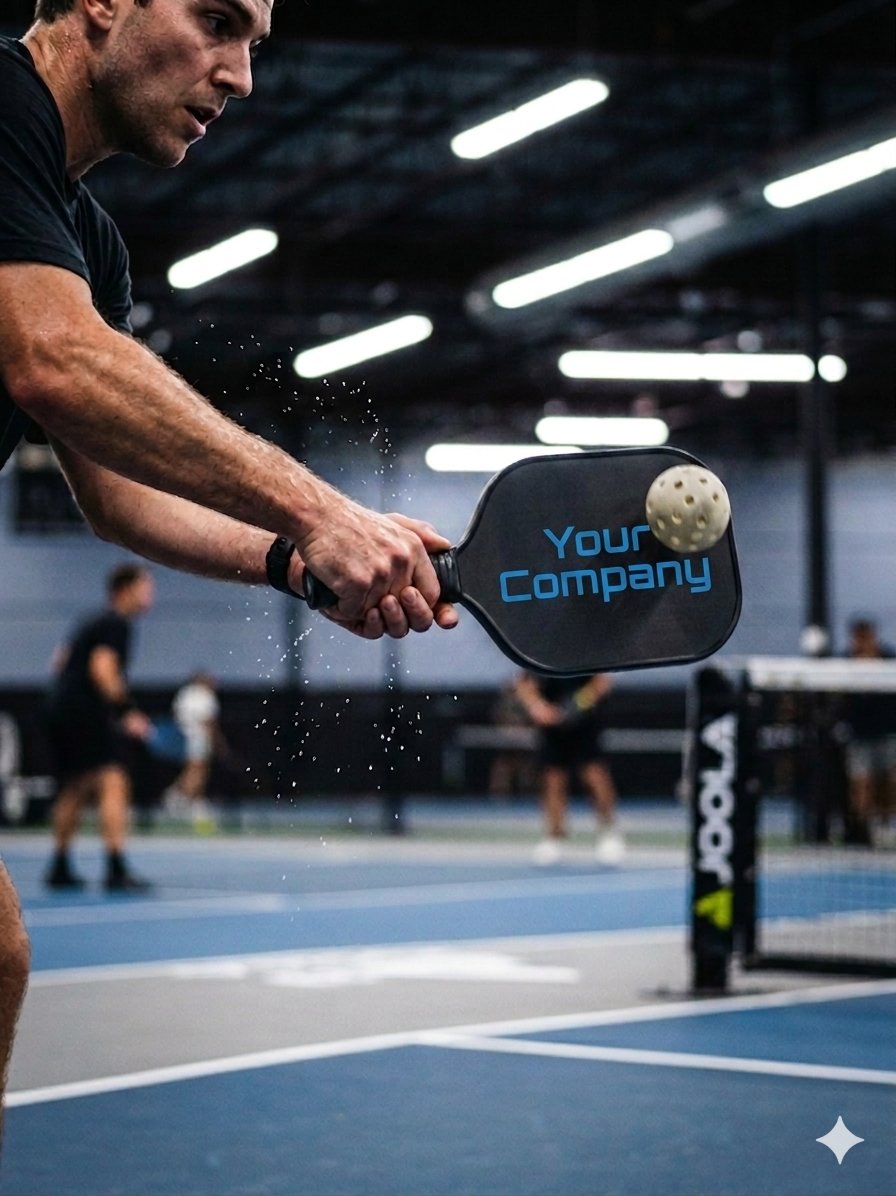
The question of who should consider Era Pickleball pickleball classes is easy to answer with nuance. Beginners looking for a structured path will find an accessible gateway in the early levels, where fundamentals are broken down into bite-sized chunks and reinforced with repetition. Intermediate players who want to deepen both their technique and their on-court communication will find the class a fertile ground for experimentation, with coaches ready to translate insights into actionable adjustments. Advanced players may still benefit, especially from the social dimension that often reignites curiosity and fosters a new humility in play. The structure supports all of these trajectories by guaranteeing that skill growth keeps pace with social growth, meaning you aren’t choosing between improvement and belonging—you’re pursuing both in tandem.
One of the more subtle benefits that emerges over time in these classes is how they shape a player’s relationship with feedback. In many sports, feedback can feel like a verdict, something that pins you down as a success or failure. In Era Pickleball pickleball classes, feedback tends to arrive as a collaborative conversation. Coaches model how to ask clarifying questions, how to request demonstrations, and how to interpret corrective cues without personalizing them. That approach doesn’t erase the sting of a missed shot, but it does soften the impact, transforming it into an information packet that can be acted on rather than a judgment that sticks. The result is a healthier mindset around learning, which is perhaps the most underrated long-term benefit of joining a structured program.
If you want to get the most out of Era Pickleball pickleball classes, there are a few practical moves that can accelerate your trajectory. First, come with a specific social goal for the session, something as simple as introducing yourself to a fellow participant you haven’t played with before or volunteering to lead a short warm-up for the group. Second, carry a small notebook or use a notes app to capture one concrete takeaway after your practice. The next time you play, you can test that point in a real rally and measure the effect. Third, be deliberate about partner rotation. While it can feel a little uncomfortable at first, rotating partners accelerates the development of nonverbal cues, improves your ability to adapt to different playing styles, and broadens your comfort zone in a way that is hard to replicate in solitary practice.
To give you a sense of the communal texture, imagine the court after a long drill when the warm glow of the lights shifts and the chatter becomes more playful. A quick exchange of tips morphs into a shared joke about a quirky shot shape, followed by a supportive chorus of encouragement as someone figures out a tricky return. The feeling is not unlike watching a team gel during a late-season practice, where individual strengths slowly align into something greater than the sum of its parts. In such moments, you realize that Era Pickleball pickleball classes aren’t just about improving your backhand or your funnel drop shot. They’re about becoming part of a community that cares about how you navigate both the sport and the social texture around it.
For those who care about numbers and outcomes, there is evidence from regular participants that the program yields measurable gains in consistency and confidence. Players report higher rally endurance, which translates into more control on longer sequences and fewer unforced errors when the pressure ramps up. They also note a shift in their attitude toward competition, moving from a fear of making mistakes to a disciplined curiosity about how to solve problems on the court. The social skills program shows its value as well, with participants reporting smoother communication with partners, clearer shot calls, and a more inclusive atmosphere on crowded evenings. While numbers alone do not capture the full story, the blend of observed technical improvements and social growth makes a compelling case for the approach.
Two concise lists capture the essence of what Era Pickleball pickleball classes aim to deliver. The first highlights technical and tactical gains, while the second focuses on social and personal development. These lists are brief by design, intended to crystallize core outcomes without reducing the experience to checkboxes.
-
Technical and tactical gains
-
Improved dink control and placement near the kitchen line
-
More consistent serves with greater depth and accuracy
-
Smoother net transitions and better court coverage
-
Enhanced reading of opponents and faster decision making
-
Sharper short rallies and more reliable finishing shots
-
Social and personal development
-
Increased comfort initiating conversations with new players
-
Better partner coordination and clearer shot calls
-
Higher tolerance for constructive feedback
-
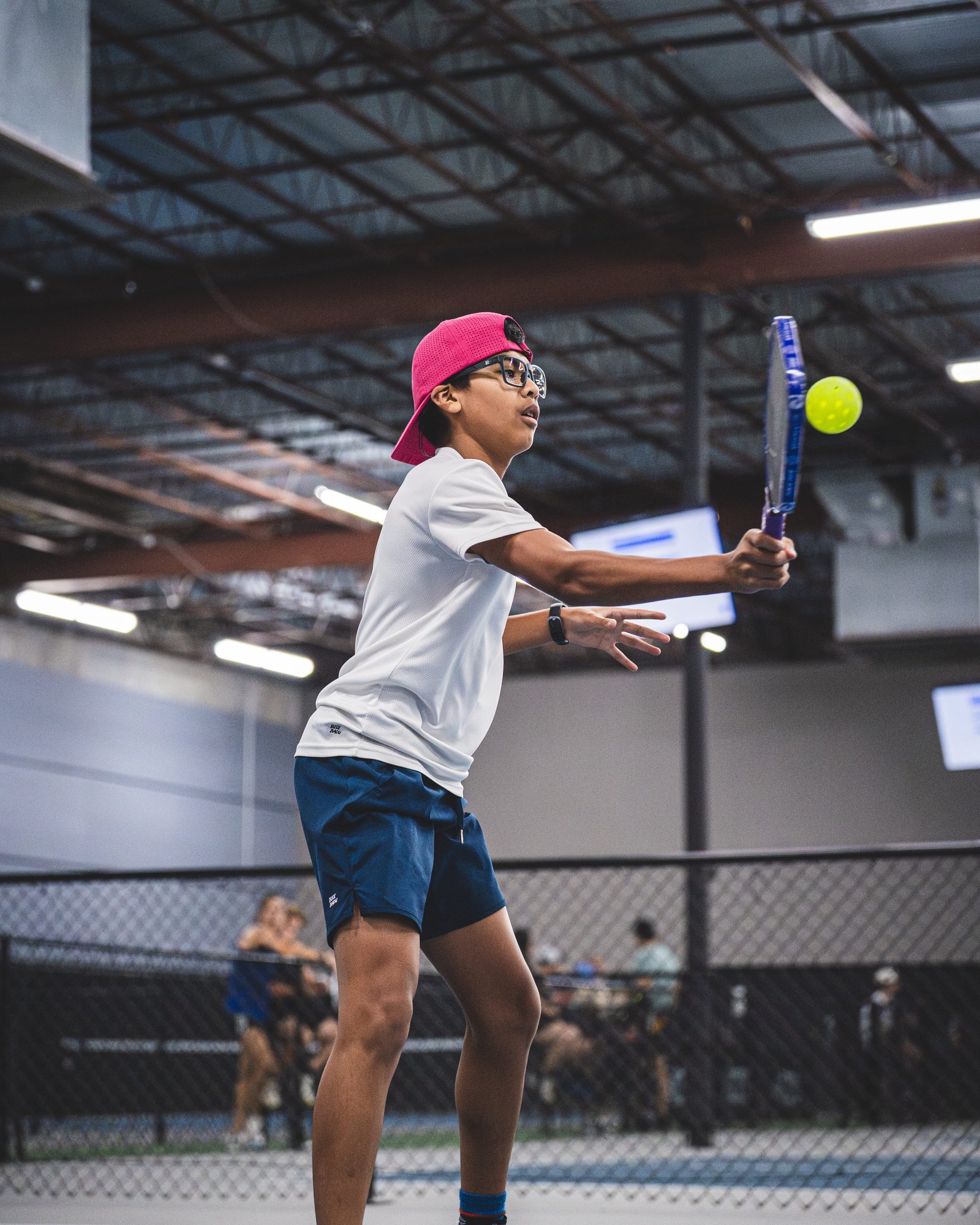
Diverse partner experiences that broaden tactical thinking
-
A sense of belonging and accountability within the group
If you are comparing Era Pickleball pickleball classes to other options on the market, you will notice a few distinctive features. The emphasis on social skill-building is not an afterthought but a deliberate component that threads through every drill and warm-up. The coaching staff brings practical wisdom from real games and applies it to classroom exercises in a way that bridges theory and execution. The environment is neither sterile nor chaotic; it sits somewhere in the middle, where focus meets friendliness, where ambition is balanced with humility, and where every participant can find a lane that fits their current level and aspirations.
In the long arc of a pickleball journey, the utility of social skill-building becomes clear only after months of practice. The same drills that teach you how to keep a rally alive can also teach you how to read a partner’s body language, how to share court space gracefully, and how to navigate the inevitable fluctuations in performance with grace. The Era Pickleball approach acknowledges that improvement is not a straight line and that progress is often uneven across different skills. The coaching philosophy embraces that reality and uses it as an opportunity to cultivate resilience, patience, and a collaborative spirit that makes the game more enjoyable at every level.
At the heart of Era Pickleball pickleball classes lies a simple conviction: sport is a social art as much as a physical one. The court becomes a place where people learn to trust their teammates, to articulate feedback with care, and to celebrate the small, often overlooked moments of progress. This conviction does not diminish the importance of technique. Rather, it elevates technique by situating it within a relational practice. When you learn to move with intent while also learning to listen with intention, your ability to perform under pressure expands in ways that pure repetition cannot achieve.
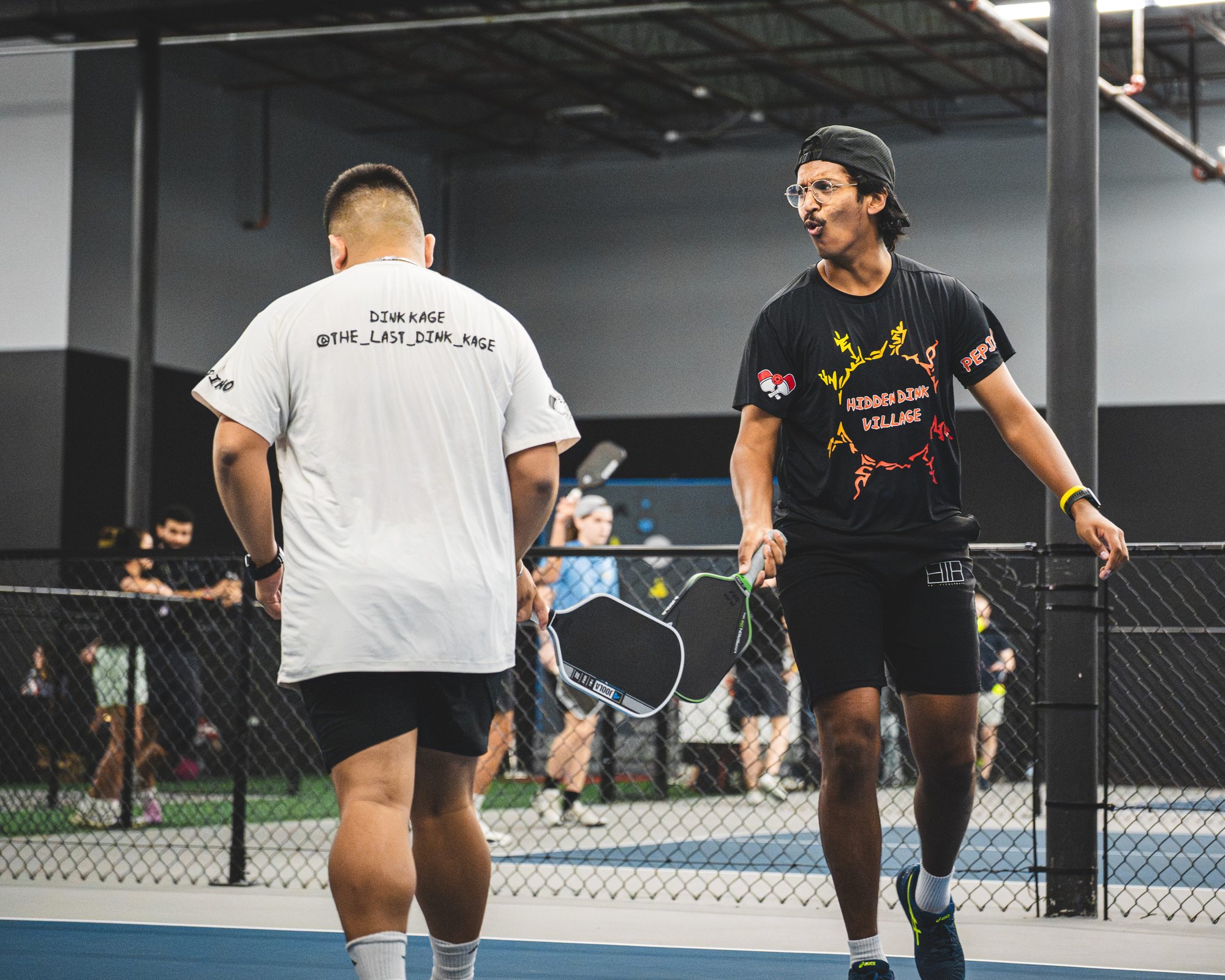
For anyone who has stood at the baseline contemplating a drop shot, or who has hesitated to call a shot because of self-doubt, Era Pickleball pickleball classes offer a pathway forward. Each session is a blend of structure and spontaneity, of clear instruction and organic exploration. The result is a training experience that feels both precise and human, rigorous and forgiving. It is a place where your curiosity is welcomed, where your mistakes are treated as data, and where your gains are recognized by a community that shares in your curiosity and your effort.
If you want to know what it feels like to be part of this program, imagine walking into a space where your growth is visible, where your questions are encouraged, and where the next swing of the paddle carries with it the confidence of someone who has practiced not just the shot, but the conversation that makes the shot possible. That is the essence of Era Pickleball pickleball classes: an environment designed to convert practice into lasting skill and practice into enduring connection.
In closing, or rather as a natural cadence in the ongoing rhythm of a pickleball life, consider what you hope to gain from your time on the court. Do you want more consistency, yes, but do you also want more conversations that sharpen your game and your character? Do you want to be challenged by drills that require you to adapt on the fly, and do you want to do so in a setting that makes you smile and keep showing up? If so, Era Pickleball pickleball classes may be the right next step. The program invites you to measure progress not only by won points or polished serves but by the quality of your on-court communication, the strength of your partnerships, and the depth of your connection to a broader community of players who share your curiosity and your determination.
The journey is as much about the people you meet as the shots you master. And in that sense, the classes live up to their promise: they teach you how to play smarter, how to listen better, and how to belong. The court becomes your classroom, the ball your lesson, and the laughter between rallies a reminder that improvement is a social act as well as a physical one. If that alignment feels compelling, the door to Era Pickleball pickleball classes is open, waiting for you to step inside and begin writing a chapter of your own on the court.
The experience, in short, is a disciplined immersion in both the craft of the game and the social fabric that sustains it. The results show up not only as improved strokes or tighter net play, but as a heightened sense of confidence and a stronger sense of belonging. And that, after all, is the quiet secret of great sport: the way it teaches you to be better, not just in the gym, but in the conversations you have, the partnerships you nurture, and the communities you help weave into your daily life.