Era Pickleball pickleball coaching: Insightful Q&A with Pros
Coaching in pickleball has evolved from casual tips on the sideline to a disciplined craft that blends biomechanics, strategy, and human psychology. Era Pickleball sits at the heart of that evolution, offering structured pickleball classes that push players from casual fun to consistent improvement. This piece invites you into a thoughtful dialogue about what it takes to coach well in this sport, drawing on real-world experiences from seasoned instructors and players who have learned to trust the process over the course of a season.
The landscape of coaching is not a single path. Some coaches come from competitive backgrounds, others from physical education or rehabilitation, and a few from within the pickleball community itself. The best coaches, regardless of origin, share a core instinct: they understand that learning a sport is as much about managing expectations and building confidence as it is about refining footwork or perfecting a dink. At era pickleball, that philosophy is woven into every pickleball class, every training session, and every coaching interaction.
What makes coaching in pickleball distinct is not just the pace of the rallies or the variety of shot shapes. It is the intimate balance between form and feel. A coach must read a court like a field observer reads weather—anticipating shifts in wind, momentum, and mood. The sport rewards precision, yes, but it rewards adaptation even more: recognizing when a player can execute a shot and choosing the right moment to attempt it. The best coaches cultivate that discernment in students by pairing precise technique with practical decision making.
In the following conversation, I spoke with coaches who regularly lead Era Pickleball pickleball classes and players who have benefited from their guidance. The aim is to uncover practical truths about coaching that survive the rough edges of training, matches, and the occasional frustrating plateau.
A real conversation about coaching begins with fundamentals, then moves through the layers of experience. If you are exploring pickleball coaching, you want patterns that stand up under pressure, not just fancy demonstrations. If you are a player seeking to improve, you want a map that translates into clear actions, both on the court and in the hours you spend away from the court practicing. The coaches I spoke with emphasize three themes that consistently surface: technique that translates into game decisions, the sequencing of drills that mirrors match pressure, and the mindset required to stay curious and adaptable.
From the start, Era Pickleball coaching places emphasis on what matters most in real games. The surface technique you refine in a drill needs to become a tool you can pull out in a tense moment. A dink is not merely a soft shot into the kitchen; it is a statement about control, pace, and tempo that disrupts an opponent’s rhythm. A drive volley is more than power; it is about width, contact point, and timing to keep the ball out of your own danger zone. The coaching process, then, has to tie each mechanical improvement to an on-court consequence. When players know why they are practicing a particular movement, their progress is not just faster; it feels more purposeful.
In my discussion with Pros who teach within era pickleball, the consensus is clear: effective coaching builds from a foundation of correct posture, footwork, and grip, then layers tactical understanding, strategic planning, and emotional resilience. The path is not a straight line; it bends with each player's strengths and weaknesses, the demands of a given level, and the natural course of learning. The aim is not to create perfect technicians but confident players who can think clearly under pressure and maintain a consistent level of play across a match.
The first order of business in any coaching relationship is setting expectations. A player arrives with a set of goals, often tied to improvements in specific aspects of their game or a desire to compete more effectively. A coach responds with honesty about what is feasible within a given time frame and what metrics will serve as meaningful indicators of progress. For many players, this means agreeing on a plan that includes weekly technical work, tactical sessions, and a structured conditioning or mobility routine. The most successful coaching engagements I’ve observed pair short-term milestones with longer-term objectives, balancing the urgency of improvement with the patience required for lasting change.
Era Pickleball’s classes are designed to create a rhythm that supports consistent progress. The cadence begins with warmups that prime the body for the specific demands of pickleball: quick direction changes, lateral movement, and reaction time. Then comes a block of technique work, where the emphasis is on movement quality and shot selection rather than sheer speed. Finally, drills intensify into game-like scenarios that encourage players to translate technique into decision making under pressure. It is not a sprint; it is a well-structured journey that rewards regular attendance and focused practice.
To understand how this works in practice, consider a typical coaching session aimed at improving the mid-court dink exchange. A coach may begin by observing the player as they rally from the service line, noting the height, pace, and placement of the dink. The purpose is to identify patterns that frustrate the player: shots that are too short to control, shots that give opponents an easy transition to the net, or shots that are telegraphed, inviting a poor return. The coach will then guide the player through targeted adjustments, such as adjusting the paddle face angle, altering foot alignment to improve balance, and refining the point of contact to create more consistent arc. The drill sequence that follows is designed to reproduce the sensations the player needs in actual play—a slow, controlled dink into a corner, a controlled reset to the kitchen line, and a quick transition to the net when the opportunity arises.
One of the most important lessons from experienced coaches is that the best drills are not exercises in repetition alone. They are micro-scenarios that mimic the ebb and flow of real matches. A drill that simulates pressure on the second ball after a serve, for example, teaches not only how to maintain pressure but how to recover and re-establish a favorable position after a miscue. In this way, practice becomes not merely a way to improve technique but a rehearsal for the mental games that define competitive play. The players learn to manage anticipation, to pace the rallies, and to select the moments when a high-risk shot is worth the potential payoff.
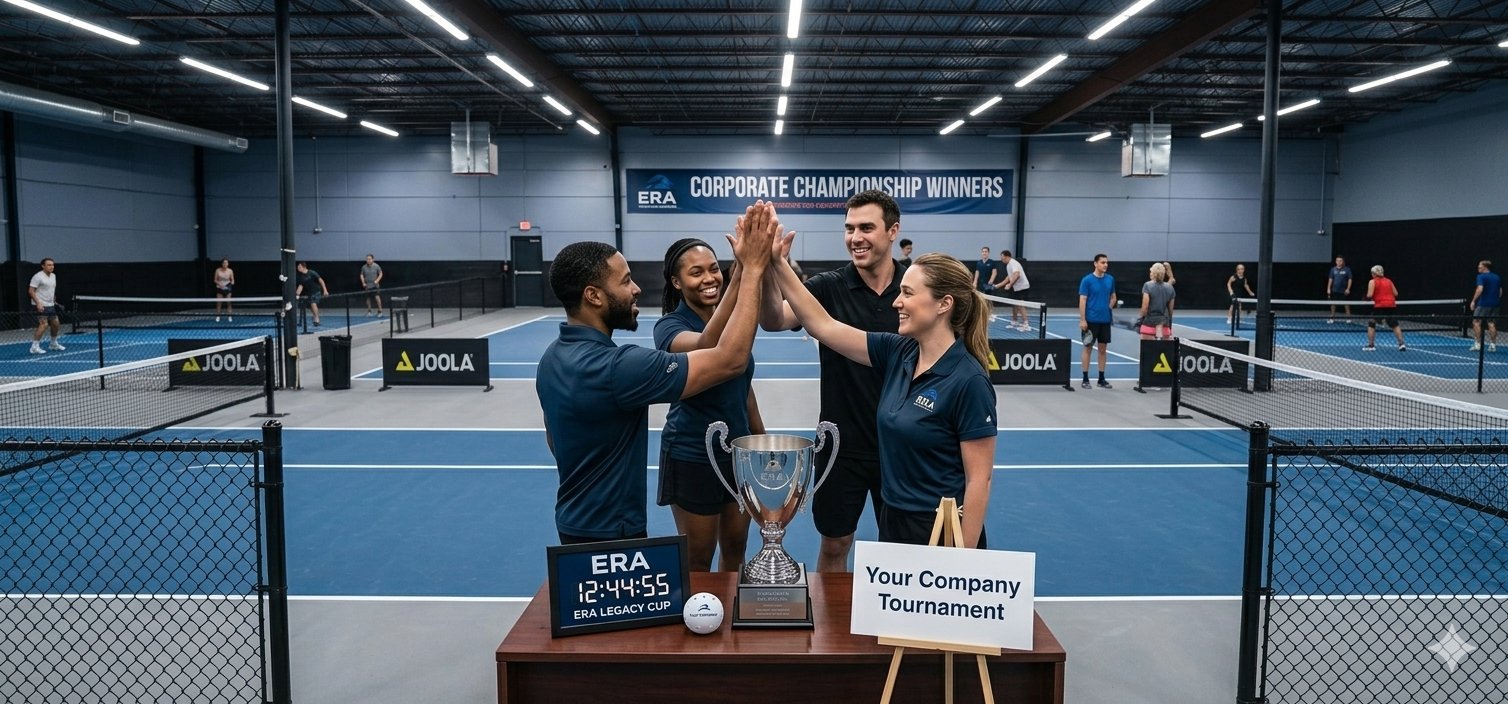
The role of feedback in coaching cannot be overstated. An effective coach provides precise, actionable feedback that respects the player’s autonomy. The best coaches avoid the trap of overcoaching, which can overwhelm a learner with too many micro-adjustments at once. Instead they offer a digestible set of focal points for a given session, then revisit those points in subsequent sessions to solidify progress. The most successful feedback is anchored in concrete outcomes: “Your dink depth is too inconsistent,” or “Your step-in drive is cutting off your shoulder rotation, which reduces power,” followed by a practical cue and a short drill to address the issue.
In era pickleball coaching, there is also a philosophy about how to handle plateaus. Plateaus are not a sign of failure; they are a natural part of skill development. The trick is to recognize when a plate is truly a stall and when it is merely a temporary lull before a breakthrough. Coaches who work with a mix of recreational players, weekend warriors, and rising tournament competitors learn to tailor their approach. Some players respond best to a dense, technique-forward regimen, while others excel when the training leans more on strategic awareness and matchplay. The flexible approach is not a concession to variance; it is a deliberate recognition that human learning happens through different pathways for different people.
As this field matures, the conversation around pickleball coaching increasingly includes considerations beyond technique and tactics. The modern coach must also consider physical conditioning, injury prevention, and longevity in the sport. Pickleball’s rapid pace can stress the hips, knees, and shoulders in unique ways, especially for players who transition from other sports or who play multiple times per week. A thoughtful coaching practice includes mobility work, warmups that prime the body for the specific demands of the game, and an awareness of signs that a player might be overtraining or risking repetitive strain injuries. A well-rounded program from era pickleball integrates mobility routines, brief strength work, and recovery strategies that fit into a busy schedule.
In practice, this holistic approach translates into long-term benefits for players who commit to the process. The gains go beyond the obvious improvements in shot accuracy or court positioning. They often include enhanced confidence, better decision-making under pressure, and a more nuanced understanding of one’s own game. When players see direct correlations between the coaching cues they receive and the outcomes on the scoreboard, their motivation naturally deepens. A player who learns to anticipate a commuted volley and then executes a precise cross-court dink will carry that sense of control into every point, even when the match gets tight.
The social dimension of coaching is another aspect that Era Pickleball emphasizes. A sense of community on and off the court can accelerate improvement. Players who train together, share feedback, and celebrate small wins tend to stay engaged longer and return for more sessions. The social fabric surrounding a pickleball program matters because it creates a supportive environment where mistakes are treated as part of learning rather than as personal failures. This atmosphere strengthens commitment, helps players endure tougher drills, and makes practice feel less like work and more like a collaborative craft.
A Q&A approach with pros who spend their days coaching inside era pickleball reveals several practical patterns that players can apply regardless of their starting point. First, it is essential to integrate a concise set of technical anchors into practice. These anchors act as a compass: posture, paddle angle, contact point, and weight transfer. Each anchor has a specific function and a direct link to how a shot will behave. For example, maintaining a stable knee bend and a centered weight distribution makes it easier to adjust the paddle face as the ball comes off the bounce, producing more reliable dinks and drives. The detail matters because even small swings in posture or angle can lead to inconsistent results under pressure. The anchors give players a consistent reference system they can rely on under duress.
Second, strategic practice should resemble real matches as closely as possible. A good session includes scenarios that require players to think on their feet and react to the opponent’s patterns. That means not only practicing serves and returns but also creating sequences where players must hold a rally from the baseline, move to the net, and navigate a defensive block or a quick counterattack. The clock is a useful constraint here: short, intense rounds followed by brief rests teach players to manage fatigue and maintain composure when the score is closing in. When players repeatedly experience match-like pressure in practice, they stop guessing what to do and start executing what they know works.
Third, the art of feedback should be precise and timely. Coaches who can pause a drill at the exact moment a miscue occurs and offer a corrective cue without derailing the flow tend to generate the strongest learning outcomes. And it matters who delivers the feedback. A coach who understands a player’s personality—their sensitivity to criticism, their need for encouragement, their preference for independence—will tailor the feedback style accordingly. Some players respond to direct, no-nonsense cues. Others benefit from a more exploratory approach that invites them to discover the solution themselves with guided questions and short trials.
In the context of era pickleball coaching, there are notable edge cases and trade-offs that every serious practitioner must acknowledge. For example, a high-level player may want to push for faster ball speed early in a drill, but doing so can compromise control and increase the risk of injury if done prematurely. A wise coach will temper ambition with caution, gradually escalating the pace as technique stabilizes. Similarly, a junior player may excel at footwork and consistency but struggle with strategic shot selection. In that case the coaching plan should lean more on pattern recognition and game sense, using simpler drills that build toward more complex scenarios as confidence grows.
The best coaches also guard against a single mindset becoming a straightjacket. If a coach believes the only path to improvement is a relentless focus on technique, they may miss critical opportunities to develop tactical awareness. Conversely, overemphasizing strategy without a solid technical base can lead to inconsistent execution and frustration. The healthiest approach blends both strands, adjusting the emphasis as needed based on the player's age, goals, and physical condition. A pro who can toggle between technique and game sense, who can pivot from a drill that demands perfect timing to a match-like session that tests decision making, stands out in the era pickleball coaching landscape.
For players considering enrolling in pickleball classes Era Pickleball offers, a few practical considerations can help maximize every dollar and hour spent on court. First, be deliberate about your objectives. If your goal is endurance and consistency, your sessions will look different from someone chasing tournament points or a coaching pathway into college competition. A clear objective focuses your questions and helps the coach tailor the plan. Second, commit to a routine that supports the class content. This could mean adding mobility work to your warmup, practicing a handful of dink exchanges before or after your weekly session, or dedicating a few minutes to deliberate practice on specific shots. Small, consistent routines accumulate into tangible progress.
Third, track your progress with simple metrics. Keep a log of your wins and losses in controlled drills, note changes in footwork timing, and quantify improvements in shot reliability. The data does not need to be complicated; even a simple chart that shows the frequency of successful resets at the kitchen line or the percentage of net approaches converted into points can reveal meaningful trends. The most effective players are not the ones who can memorize a long list of drills; they are the ones who can interpret the feedback they receive and turn it into repeatable adjustments.
Fourth, don’t underestimate the value of tempo in practice. In pickleball, cadence matters. A great coach might slow down a drill to emphasize feel and precision, then increase the tempo to simulate the demands of a tight match. This alternation trains not only technique but also the mental discipline to maintain focus as fatigue sets in. The ability to shift gears—soft control one moment, aggressive acceleration the next—is what separates players who merely survive drills from those who thrive in competition.
As with any sport, coaching carries its set of limitations. Not every player will respond to a single coaching style, and progress may stall for reasons that are not strictly technical. Sleep, nutrition, stress levels, and life events all intrude on performance. A thoughtful coach will acknowledge these realities and adjust expectations accordingly. The most impactful coaches build rapport, trust, and a sense of partnership with their players, creating a collaborative environment where feedback is a two-way street. When players feel heard and understood, they are more willing to embrace difficult drills and more able to translate insights into practical on-court actions.
The era pickleball coaching ecosystem is also evolving in terms of accessibility and inclusivity. As the sport grows, so does the demand for coaching that can reach players across different ages, skill levels, and geographic locations. Online resources, blended learning formats, and remote coaching sessions complement in-person classes in meaningful ways. The challenge is to preserve the intimate, responsive quality of a good coach while leveraging technology to extend reach. Era Pickleball has made strides in this direction by offering structured classes and training programs that maintain the human touch while benefiting from scalable formats.
For coaches, the craft is not merely about mastering the sport; it is about a continuous commitment to learning. The best in the field stay current with new findings in biomechanics, stroke development, and recovery strategies. They attend seminars, study match footage, and exchange ideas with fellow coaches to refine their approaches. The learner, meanwhile, must commit to showing up ready to be coached, ready to work, and ready to apply insights in real points. The relationship is iterative: feedback informs practice, practice sharpens perception, and perception guides choices when the rally is on the line.
The question of how to measure success in coaching is not a single answer, either. Different players will define success in different terms. For some, it is evident on the scoreboard—the number of matches won, the upset over a tougher opponent, the progression to higher levels of competition. For others, success is more personal—a newfound sense of control, the ability to maintain calm during a crucial point, or the satisfaction of improving a particular shot that once felt out of reach. A coach who can help a player articulate such objectives and then design a pathway toward them has earned a lasting place in that athlete’s journey.
Era Pickleball pickleball classes are not about turning everyone into a professional, though the possibilities for advancement exist for those who pursue it. They are about providing a reliable framework for learning and playing with intention. Across the programs, coaches emphasize that improvement is a function of time on court, thoughtful repetition, and honest reflection after each session. The aim is to foster a culture of curiosity where players ask better questions, test new ideas, and evaluate outcomes with a clear-eyed perspective. When this mindset takes root, players stop chasing quick fixes and start building durable skill weeks and months at a time.
The practical realities of implementing high-quality pickleball coaching have their own rhythm and constraints. Some facilities have the luxury of smaller groups that allow individualized feedback, while others operate in larger group settings where the coach must manage attention and ensure that each student receives value. In era pickleball classes, the balance is often achieved by a combination of targeted progression and time-bound group drills. One coach might lead the core technique block while a second professional floats among the players, offering subtle adjustments and individualized cues. This collaborative approach can amplify learning, especially for players who respond to more than one coaching voice.
What follows are a few stories from players and coaches who inhabit the era pickleball coaching world. These anecdotes illustrate how a thoughtful coaching approach translates into real-world gains, the kinds of adjustments that prove most effective, and the daily discipline that sustains improvement.
A veteran player describes a season where a steady focus on footwork and ball control paid off in a string of close wins. The coach built a ladder of progression, starting with simple ball control drills, then advancing to mixed sequences that required the player to read the opponent and decide whether to dink, drive, or reset. The payoff came not only in the improved consistency but in the clarity of decision making during pressure points. The player learned to trust the process and to resist the impulse to chase risky shots when the fundamentals were not yet secure. It was a reminder that real growth in pickleball often emerges from a patient, well-structured training plan rather than a flashy single drill.
Another account comes from a younger player who approached coaching with a different appetite. This athlete craved competitive edge and a faster pace. The coach responded by intensifying tactical simulations, emphasizing court positioning, and teaching feedback loops that allowed the player to self-correct during practice. The lesson was that there is no single recipe for improvement; rather, progress comes in many flavors. For some, the key is quiet, methodical refinement; for others, it is a relentless sprint toward new levels of tempo and aggression. In both cases, the coaching relationship remained the anchor, grounding ambition in technique, routine, and a clear game plan.
The overarching takeaway from these experiences is that coaching in pickleball is not about chasing a perfect form but about creating a reliable framework for growth. Coaches who succeed inside era pickleball are those who can translate technical details into practical on-court outcomes while maintaining a patient, human-centered approach. They know when to push and when to pause, when to demand precision and when to allow experimentation. They understand that every player’s get more info path is unique and that the art of coaching lies in honoring that individuality while guiding it toward consistent, measurable improvement.
For readers who are curious about how to approach pickleball coaching themselves, here are a few guiding principles distilled from years of working with players at all levels:
- Ground practice in clear technical anchors that connect to in-game outcomes.
- Design drills that mirror real match situations, not just isolated repetitions.
- Deliver precise, timely feedback that is laser-focused on a few actionable cues.
- Balance technique with strategy, so players learn to apply what they practice under pressure.
- Build a supportive, social learning environment that reinforces commitment and joy.
- Recognize plateaus as a normal part of development and adjust the plan with flexibility.
- Integrate conditioning and mobility to support longevity and performance.
- Use data and simple metrics to track progress without overwhelming players.
The road ahead for era pickleball coaching remains as dynamic as the sport itself. As players continue to arrive with diverse goals, coaches will need to adapt with nuance and empathy. The best programs will blend mastery with accessibility, offering classes that feel welcoming to a casual player while still challenging for the more ambitious student. The ultimate aim is not merely to teach someone how to hit a better shot but to help them understand when and why that shot should be used. That understanding is what separates a skilled player from a skilled competitor.
If you are stepping into era pickleball coaching as a player, begin with the simplest truth: improvement follows consistent, thoughtful practice. Show up with a plan, listen to feedback, and treat every drill as a chance to learn something about your own game. If you are stepping into the role of coach, the responsibility is equally meaningful. You are shaping a player’s experience on a court that can feel equal parts forgiving and unforgiving. Your best move is to cultivate a candid, patient relationship that funnels curiosity into skill, and skill into confidence at every level of play.
In the end, coaching is a craft built on small, deliberate choices made over time. The coaches who thrive in era pickleball are those who understand that the sport’s beauty lies in its balance between precision and improvisation. They design practice that respects both dimensions, guiding players toward a future in which every rally feels accessible, every shot feels earned, and every match becomes an opportunity to apply what the practice has been quietly teaching all along.
If you want to dive deeper into the world of coaching with era pickleball, the path is straightforward yet rich with opportunity. Explore pickleball classes Era Pickleball offers to gauge where your current level sits and what kind of progression you need. Consider starting with a trial session to experience the coaching style firsthand, then commit to a structured block that includes both technique work and match simulations. Over time, you will begin to notice the quiet landmarks—points where a dink becomes more controlled, where a transition to the net feels inevitable, where your decision making becomes more intuitive.
The sport rewards consistency, and coaching that respects the learner’s pace will always have a place in the narrative of improvement. Era Pickleball classes are designed with that principle in mind, delivering a framework that respects both the science of movement and the art of competition. The journey from uncertain starter to confident competitor is not a straight line, but with the right guidance, it becomes a series of confident steps, each one building on the last.
In closing, the advice from Pros who coach within Era Pickleball centers on three practical notions: keep the technique anchored in purpose, simulate realistic match pressure in training, and cultivate a feedback loop that is honest, concise, and constructive. When you approach coaching with that triad in mind, you’ll find that improvement is less about chasing a single perfect shot and more about orchestrating a sequence of small, reliable improvements that compound over time. The sport, after all, is a game of momentum as much as it is a test of technique. With steady coaching, players discover not just how to play better but how to love the process of getting there, one practice, one drill, and one match at a time.